
World Water Day: when in drought, consult a baobab tree!
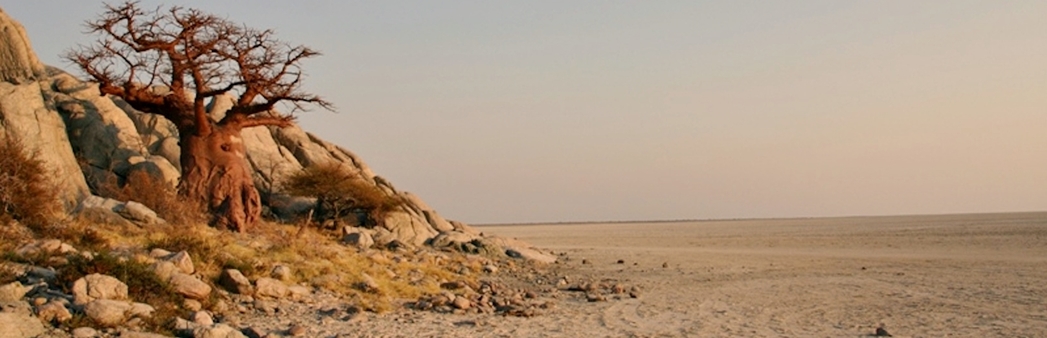

This year’s World Water Day on the 22nd March has even more significance for South Africa than usual, as we are in the grip of a drought. We all have a responsibility to use water wisely. Baobabs live in really dry areas and have evolved not to waste a single drop so perhaps we should tap into some of their thousand-year old wisdom! Here are three ways to learn from baobab trees:
1. A Short Shower goes a long way
Baobabs have a very shallow and wide-reaching spread out root system, as opposed to a tap-root system. This means they are able to absorb water from the first rains and from the shortest of showers.
Lesson: Make the most of short showers 🙂
2. Store Your Water in a Trunk?
Well no, not really! However, baobabs do store water in their trunks; the trunk is like a vast sponge and up to 75% of the trunk can be used just for water storage. (And no, you can’t just install a tap into a baobab trunk and simply turn it on for running water! See this blog for more on this myth)
Lesson: Fix all dripping taps and leaking pipes, collect rainwater, use a grey water system to re-use household water waste, and don’t let usable water simply run down the drain.
3. Ask Yourself What’s Really Necessary
Baobabs only uses water when they really have to; for leaf growth, flower growth, photosynthesis and for basic survival.
Lesson: Only use water when you need to. For example, don’t wash your car every day, put a cover your swimming pool to reduce evaporation, water your garden in the evenings when evaporation is at its lowest.


