Kubu Island, Makgadikgadi Pan: where rock, salt and baobabs meet

In the 16 000 sq km of  Makgadikgadi Pan (Botswana) lies an isolated dry granite rock island 10 metres high, forming a roughly 1km long crescent shape called Kubu Island. The entire island is a national monument, and is considered a sacred site by the indigenous people of the area.  The almost white rocks (covered in fossilised guano) share space with gigantic fantastically shaped baobabs as well as ancient ruins, Here, a lone baobab emerges from rocks and stones like a sentinel looking over the expanse of the dry saltpan .  


Continue reading....

Find more interesting articles below

Baobab Fruit Monitoring

Baobab Fruit Monitoring

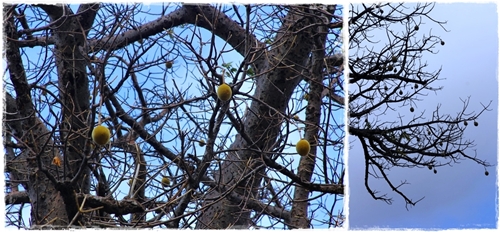
Dr Sarah Venter is researching the long-term patterns of baobab fruit production between different landscapes over a period of multiple years. This research provides important insights into the natural variability of baobab fruit production helping EcoProducts ensure that their harvesting practices remain sustainable .

Read more
Nothing goes to waste – it all goes back to Nature!

Nothing goes to waste – it all goes back to Nature!

Absolutely nothing goes to waste when we make our baobab oil and powder.  We would potentially have three ‘waste’ products.  The first is the shell of the fruit, which is cracked open to remove the power and seed in the primary stage of processing.  The second is the seed coat, this is the very hard […]

Read more
How fat are baobab trees?

How fat are baobab trees?

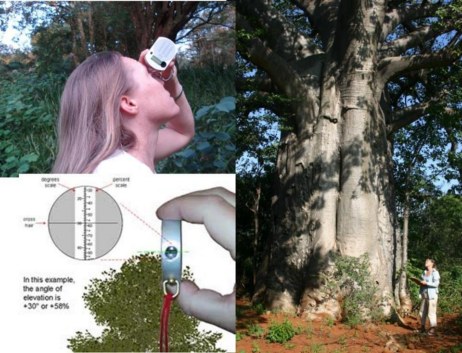
This week I did my annual trip to Skelmwater.  This is a baobab research plot situated near Musina long the N1.  Skelmwater was established in 1930 by the late Professor de Villiers of Stellenbosch University.  The aim was to measure the rate of growth of baobabs in their natural environment.   Despite the small number of […]

Read more