we all need a livelihood strategy: what’s yours?

This is Sani Mudau. When I was visiting the village last week she was busy with an embroidery while she was waiting for her turn to be paid for the fruit she had collected.

Since it's Women's Day today I thought I would celebrate the local Venda women. Many rural women have something called a "Livelihood Strategy". Rather than struggling to live off one job, they do many different things to survive and bring in an income. This changes from season to season as well.  Income from baobab is usually in the winter when the fruit ripen and can be collected from under the trees.  In March the Marula fruit ripen and then it is time for brewing Marula beer to sell to traders.  Other times its collection of other wild fruit or Mopani worms.  Embroidery for these women though is something that can go on all year.  In a place where jobs are scarce to non-existent, these women are nonetheless resourceful and hard working, seizing opportunities everywhere they can.  Good for them!
Continue reading....

Find more interesting articles below

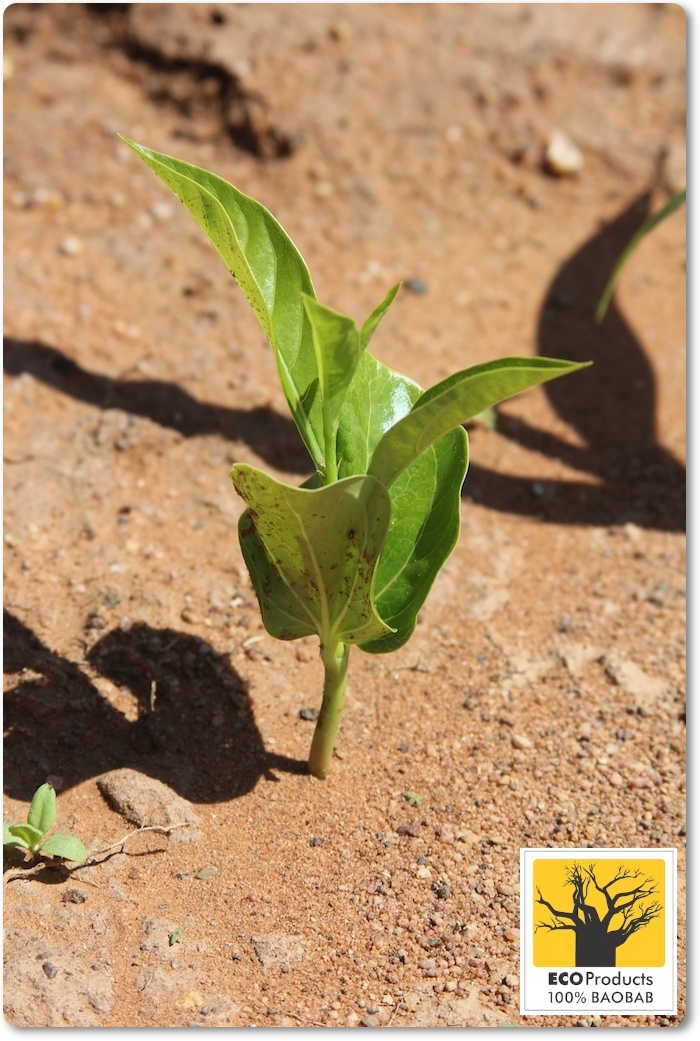
2014 Mar: Baobab seedling in the wild – will it survive?

2014 Mar: Baobab seedling in the wild – will it survive?

I always get excited when I see baobab seedlings emerging from the earth near or under the baobab trees.  It shows that the seeds are viable and that the weather was perfect.  Unfortunately their survival is very slim because of the harsh climate they need to survive in and because they are simply too delicious […]

Read more
Baobab Ecology Article Published in Prestigious Journal

Baobab Ecology Article Published in Prestigious Journal

Dr Sarah Venter, founder of the Baobab Foundation, has just had another one of her papers on the fascinating world of baobab ecology published in the prestigious international journal Forest Ecology and Management.

Read more
2014 Mar: Baobab seedlings get big ideas!

2014 Mar: Baobab seedlings get big ideas!

In November last year EcoProducts did a workshop with 50 rural women harvesters in how to grow and conserve baobabs.  Each woman was given a seed and a planting bag to take home.  Well, when I visited the village this week, some of the women took me to see their so- called seedlings.  They had […]

Read more