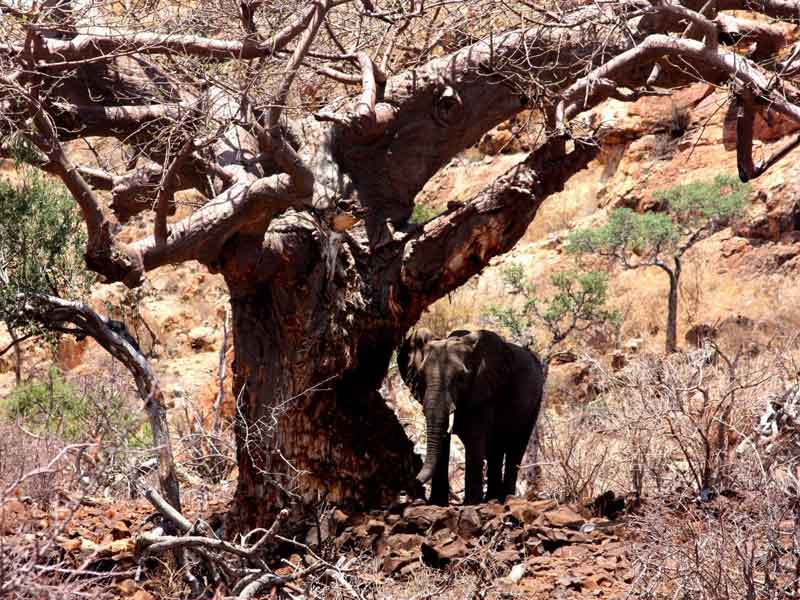
The Baobab is going to be around for a long time!

Recently, various media reports have stated that nine of the 13 biggest baobab trees in southern Africa had collapsed or died in quick succession. Some experts have suggested that climate change may have played a key role in their downfall, although research is still ongoing.

These gnarly giants are very much a part of the Limpopo landscape and tourist industry, and so their health and wellbeing are important to the people of this district. After the publishing of a conclusion in a 2018 study, headed by Stephan Woodborne and Adrian Patrut, in Nature Plants that baobab trees are dying at an unusual rate, several news articles in highly respected publications such as National Geographic and the New York Times appeared to indicate the imminent extinction of these mighty trees.

Read the full article recently published on the Zoutnet news by clicking here.

Continue reading....

Find more interesting articles below

Guardians’ bao babies 2021

Guardians’ bao babies 2021

December in the southern hemisphere, Limpopo and it is time to measure the Baobab guardians’ trees again. Did they grow fatter and higher and more handsome than before? Sarah and Prince headed out on the 14th December to measure up the Guardians’ baobab babies. It’s the beginning of the growing season, the trees had not […]

Read more
More wisdom of the Baobab tree

More wisdom of the Baobab tree

In Africa the Baobab tree comes close to being regarded as sacred – or as the shelter under which the elders talk and consult until they reach consensus. Here is a picture of a traditional meeting place beneath a Baobab tree close to a Venda Village. It is almost as if the tree bears witness […]

Read more
Rescuing Mapungubwe ‘s Baobabs from elephant damage

Rescuing Mapungubwe ‘s Baobabs from elephant damage

Baobabs and elephants have been living in the same habitat for centuries. However, as the habitat for elephants shrink due to changing land use, they get boxed into fences with herds ever increasing on smaller and smaller patches of land. Baobabs and other trees are then being browsed more intensely, with the result that many […]

Read more