
EcoProducts Honoured as a ‘Game Changer’

“Biodiversity has globally been identified as the cornerstone for economic growth and sustainable development. As one of the mega-biological diverse countries, South Africa has posed a challenge to itself to establish mechanisms in which its biodiversity can be sustainably used to contribute towards addressing the vicious circle of the three economic-ills facing the country i.e. unemployment, poverty and inequality.”
EcoProducts has been recognized by the South African Department of Environment Affairs as a “Game Changer” in the sector. Sarah Venter, founder and owner of EcoProducts has been invited to share the stage with Minister Dr Edna Molewa at the official opening of the Biodiverisity Economy Indaba being held in East London on the 8th March 2018. 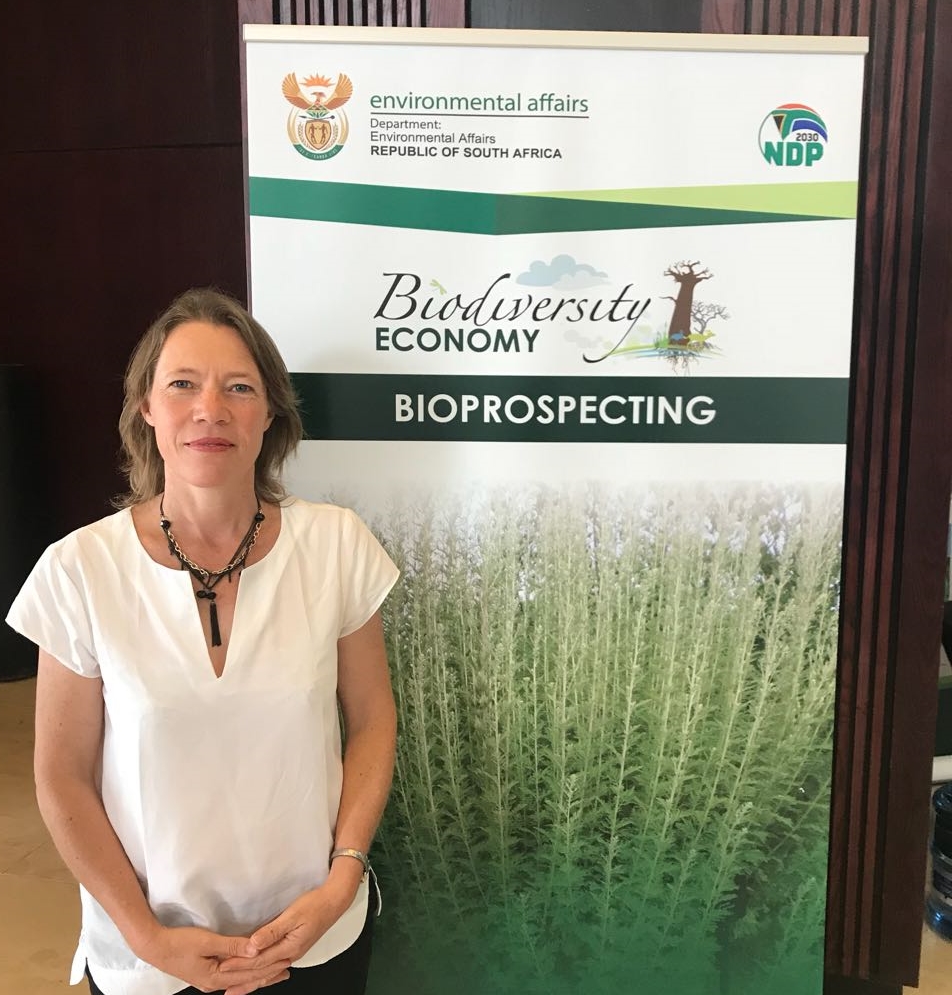
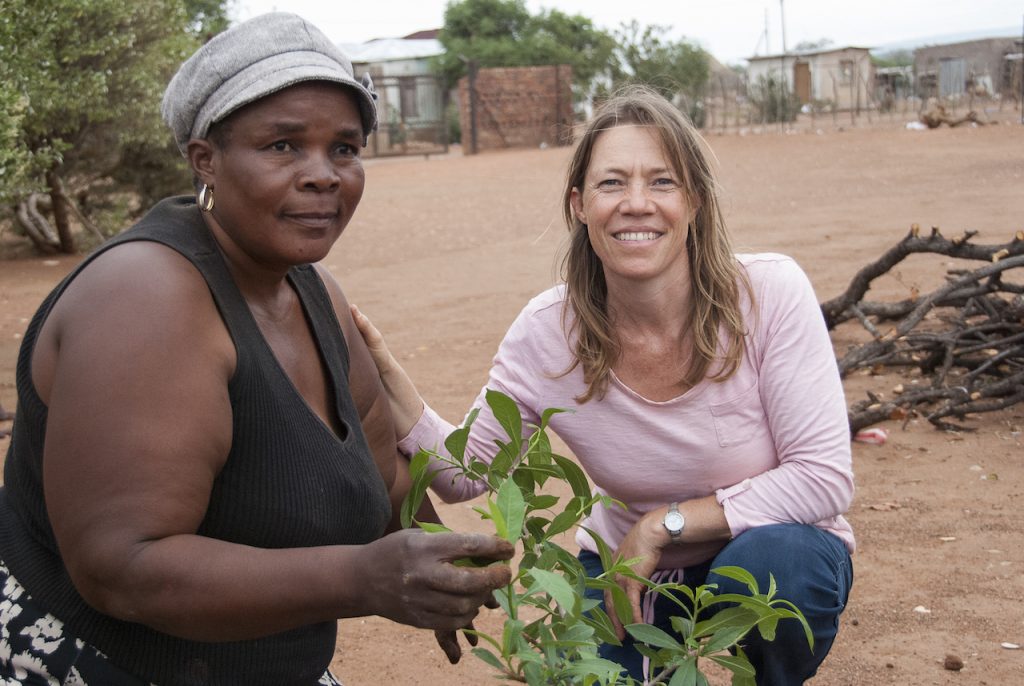
EcoProducts been chosen as a leader and ambassador to the sector because of its wide-ranging achievements. EcoProducts has demonstrated innovation in pioneering in the production and promotion of Baobab products in South Africa. In 2012 EcoProducts became one of the first companies to be ABS compliant (Access and Benefit Sharing). Through its operations, EcoProducts has consistently supported and enhanced the livelihoods of rural people, has contributed to the conservation of baobab trees through research, monitoring, implementing sustainable harvesting protocols and established a tree planting program with the community.
The Biodiversity Economy Indaba is part of the National Biodiversity Economic Strategy (NBES) which aims at meeting the targets of the National Development Plan, vision 2030 – Sustainable Development Goals adopted in the year 2015, Aichi Biodiversity Targets.


