Baobab Guardians: Tree Measuring

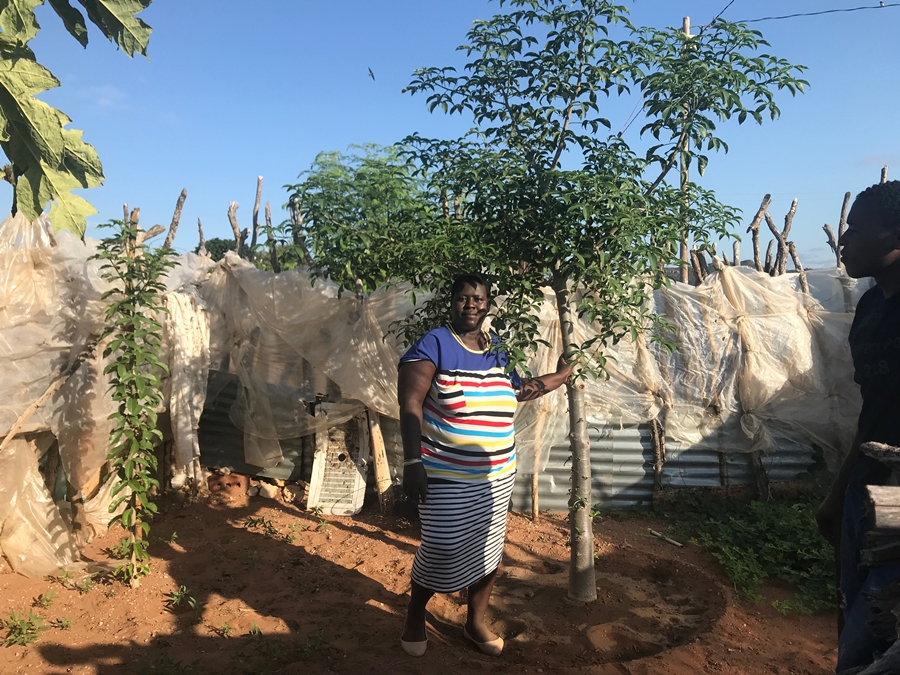
In March this year, I completed the annual tree-measuring I do every of the baobab trees planted in the villages by our baobab guardians. [See this post to find out why the Baobab Foundation has created the Baobab Guardian project]

They have all done exceptionally well with the late rains that we got in January and February.   
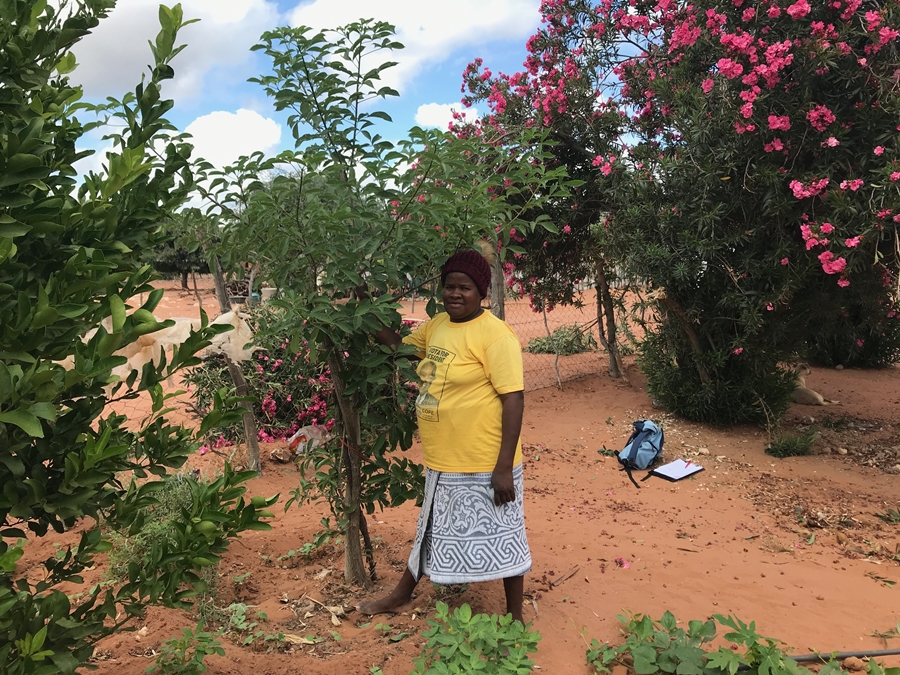
Livuwani Nelitshindwi with the baobab tree she has nurturing from a seedling

We now have 75 baobab trees planted.  It takes me 2 full days to measure all the trees.  I walk from tree to tree through the villages with lots of chatting and greetings with everyone I pass.  Children also show a keen interest in the trees.  Often they help me measure the trees and are always happy to be part of a photo.   
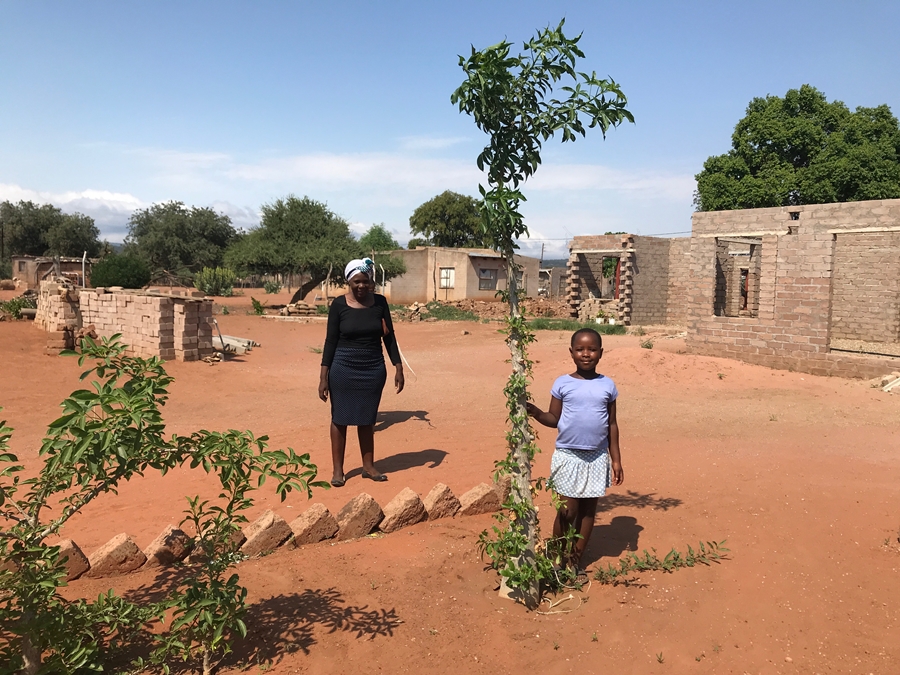
Kaki standing next to one of the baobab saplings planted in the village

This is Kaki, who I have known since she was in Blessing’s Pre-school (which the Baobab Foundation built for her a few years ago).  Kaki is now in Grade 2 and here she proudly stands next to one of the planted baobab trees in her village. 
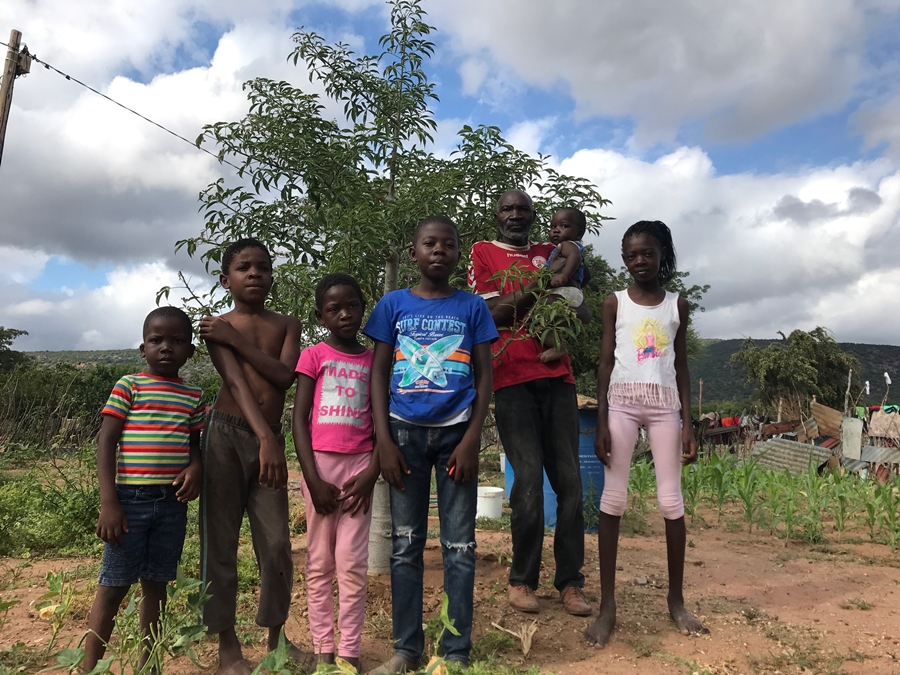
Aaron Nematshenzheni and his grandchildren stand in front of their 3m tall baobab tree

Some have reached their 3 metre target height.  In the photo above, you’ll see Aaron Nemutshenzheni with all his grandchildren who have helped him look after his baobab tree for the last three years.  At 3 metres, a baobab can take care of itself in the wild. but before then, it’s really important to make sure goats do not get to the trees.
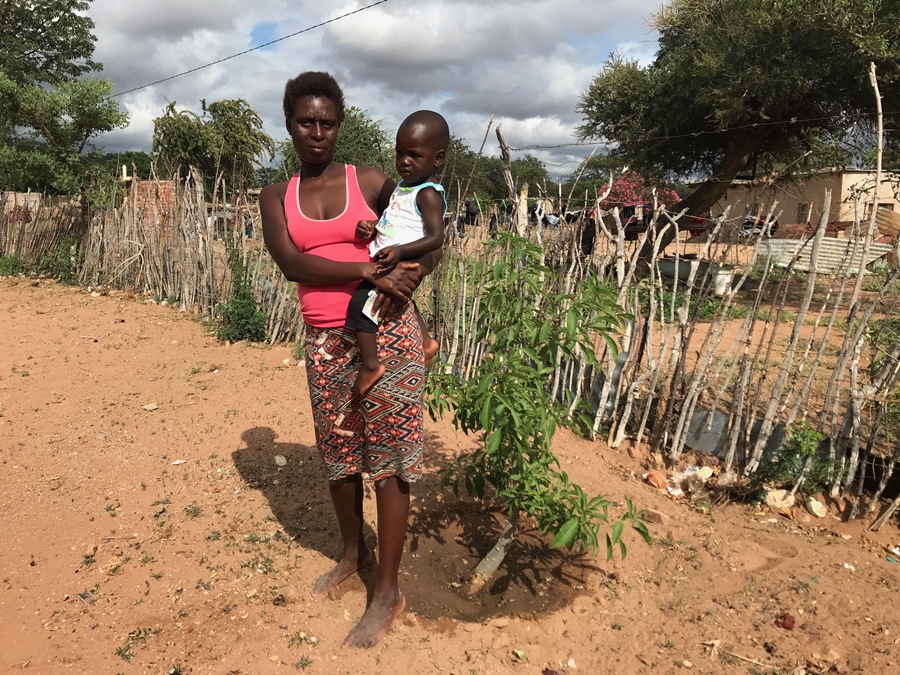
Sanikie Munyai stands with her baby and young baobab tree which still needs protection from goats!

If somebody leaves a gate open or a hole unmended in the fence, those pesky goats will sneak in and eat all the new growth in seconds.  It is a real challenge to protect the trees and everybody in the household has to keep an eye out for them.

Continue reading....

Find more interesting articles below

Local headman and I chat about baobabs

Local headman and I chat about baobabs

  One of the wonderful things about my job is that it is so varied, from production, to resource monitoring to community friendships.  Our relationship with the harvesters starts with the headman in each village.  I have had a relationship with some of the village headmen for over 10 years now.  I always love visiting […]

Read more
Kubu Island, Makgadikgadi Pan: where rock, salt and baobabs meet

Kubu Island, Makgadikgadi Pan: where rock, salt and baobabs meet

In the 16 000 sq km of  Makgadikgadi Pan (Botswana) lies an isolated dry granite rock island 10 metres high, forming a roughly 1km long crescent shape called Kubu Island. The entire island is a national monument, and is considered a sacred site by the indigenous people of the area.  The almost white rocks (covered in fossilised guano) share space […]

Read more
Vibrant African Markets in Baobab Country

Vibrant African Markets in Baobab Country

As always in West Africa, people usually dress in vibrant colors, especially the women. It’s a beautiful sight to see. Around Boukombé, the markets are the most animated during the dry season. People are not otherwise occupied with agricultural labor, and harvests are in, so there is plenty to buy. The temperature that time of […]

Read more