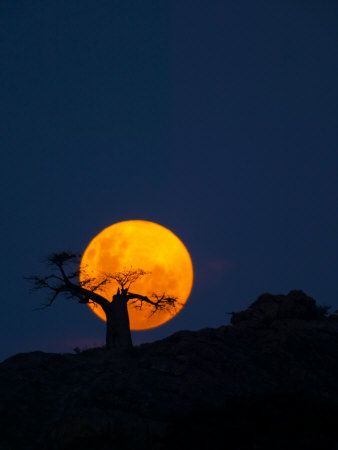
we all need a livelihood strategy: what’s yours?

This is Sani Mudau. When I was visiting the village last week she was busy with an embroidery while she was waiting for her turn to be paid for the fruit she had collected.

Since it's Women's Day today I thought I would celebrate the local Venda women. Many rural women have something called a "Livelihood Strategy". Rather than struggling to live off one job, they do many different things to survive and bring in an income. This changes from season to season as well.  Income from baobab is usually in the winter when the fruit ripen and can be collected from under the trees.  In March the Marula fruit ripen and then it is time for brewing Marula beer to sell to traders.  Other times its collection of other wild fruit or Mopani worms.  Embroidery for these women though is something that can go on all year.  In a place where jobs are scarce to non-existent, these women are nonetheless resourceful and hard working, seizing opportunities everywhere they can.  Good for them!

Continue reading....

Find more interesting articles below

The Art of Baobab

The Art of Baobab

Do you recognise this painting?  Find out how the Baobab has inspired other crafters, artists and photographers. Visit our Baobab Inspiration Pinterest page here: http://www.pinterest.com/ecoproductsza/baobab-inspiration-art-craft-photography/  

Read more
Nothing goes to waste – it all goes back to Nature!

Nothing goes to waste – it all goes back to Nature!

Absolutely nothing goes to waste when we make our baobab oil and powder.  We would potentially have three ‘waste’ products.  The first is the shell of the fruit, which is cracked open to remove the power and seed in the primary stage of processing.  The second is the seed coat, this is the very hard […]

Read more
2018 April: The Little BIG BAOBAB Book spreads its wings

2018 April: The Little BIG BAOBAB Book spreads its wings

Inspired by her PhD research on baobab trees, Dr Sarah Venter wans to make the fascinating information usually available only in obscure scientific papers, available to a much broader audience including children. The Little BIG BAOBAB book is for everyone who loves baobab trees…

Read more