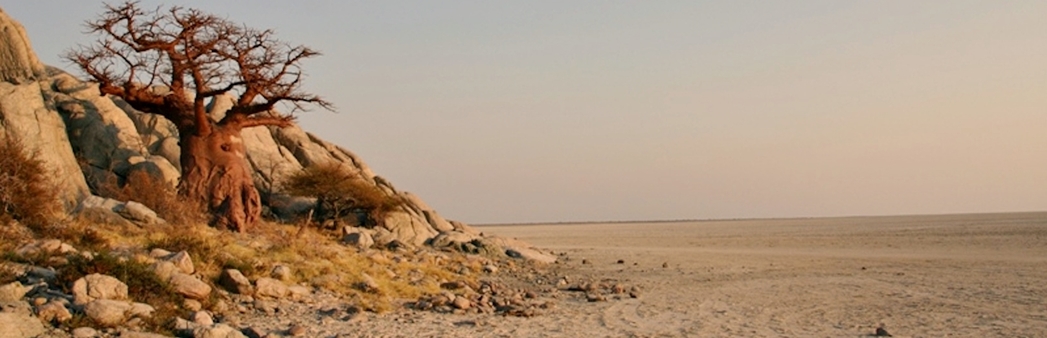
The Baobab is going to be around for a long time!

Recently, various media reports have stated that nine of the 13 biggest baobab trees in southern Africa had collapsed or died in quick succession. Some experts have suggested that climate change may have played a key role in their downfall, although research is still ongoing.

These gnarly giants are very much a part of the Limpopo landscape and tourist industry, and so their health and wellbeing are important to the people of this district. After the publishing of a conclusion in a 2018 study, headed by Stephan Woodborne and Adrian Patrut, in Nature Plants that baobab trees are dying at an unusual rate, several news articles in highly respected publications such as National Geographic and the New York Times appeared to indicate the imminent extinction of these mighty trees.

Read the full article recently published on the Zoutnet news by clicking here.

Continue reading....

Find more interesting articles below

EcoProducts is HACCP Certified – it’s BIG news

EcoProducts is HACCP Certified – it’s BIG news

EcoProducts is HACCP certified! It seems that only those businesses who have to go through HACCP certification understand the gruelling and hugely demanding process one has to undergo in order to get this internationally recognised food-safety certification.  So we’re thrilled to announce that we are have finally achieved this milestone! Hazard Analysis Critical Control Points is […]

Read more
Baobab Fruitfulness

Baobab Fruitfulness

How old were your parents when you were born?  Not as old as the Baobab tree has to be before it's capable of bearing fruit. It can take a Baobab tree up to 200 years before it produces its first green-brown velvety pod-shaped fruit.  January is when Baobabs start to fruit and fruit production is highly variable between […]

Read more
Spring Baobab Guardians

Spring Baobab Guardians

The baobab guardians tree planting project has to date, planted and nurtured 75 trees which can now fend for themselves without needing protection from foraging domestic animals. Read about our latest guardians…

Read more